
2024-2025 in-person Cohort
Fall 2024 | Winter 2025 | Spring 2025
Saturdays at the Canopy Studio in Chelsea

With Canopy Mentor
Victoria Roth
Artist
Based in Brooklyn, NY
Cohort Artists
The artists featured below were accepted to the 2024-2025 year of The Canopy Program. Together, with the guidance of their Faculty Mentor, Victoria Roth, the artists will develop their studio practice through critiques, Artist Talks + Q&As, seminars, and workshops. The Canopy Program is a year-long commitment, this Cohort will meet at the Canopy Studio in Chelsea for three consecutive semesters. Their experience will culminate with a pop-up Group Show in Chelsea (NYC).




Guest Speakers + Visiting Critics
Each semester, Victoria Roth's Cohort recieved Artist Talks, Lectures, Workshops
and Visiting Critiques from an esteemed roster of Guest Artists + Speakers.
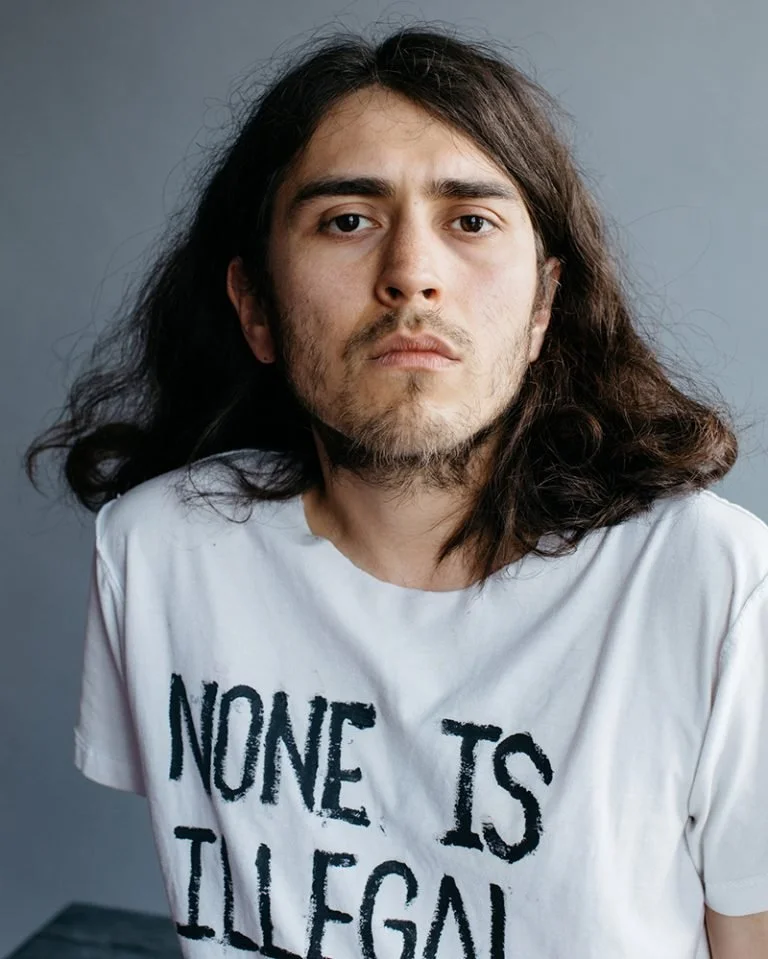
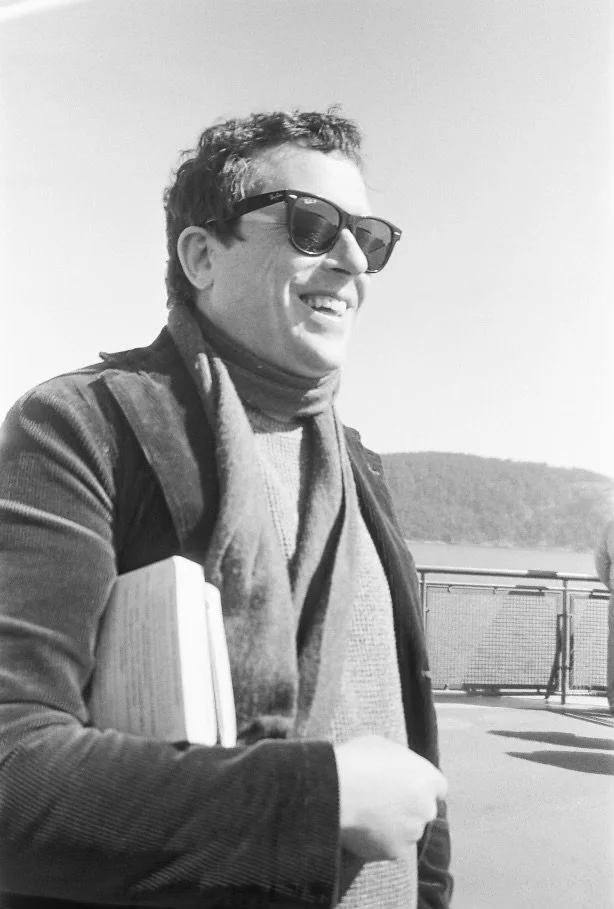
Esteban Cabeza de Baca
Studio Visit
Heidi Howard
Studio Visit

Kris Rac
Art History Speaker

Eric Hibit
Color Theory Lecture
Josephine Halvorson
Artist Lecture + Visiting Critic

Sangram Majumdar
Artist Lecture + Visiting Critic

Amanda Nedham
Guest Writing Editor

Lauren Marinaro
Guest Gallerist

Kate Werble
Guest Gallerist

Will Hutnick
Professional Practices Speaker

Adrienne Elise Tarver
Professional Practices Speaker
Canopy Mentor Victoria Roth
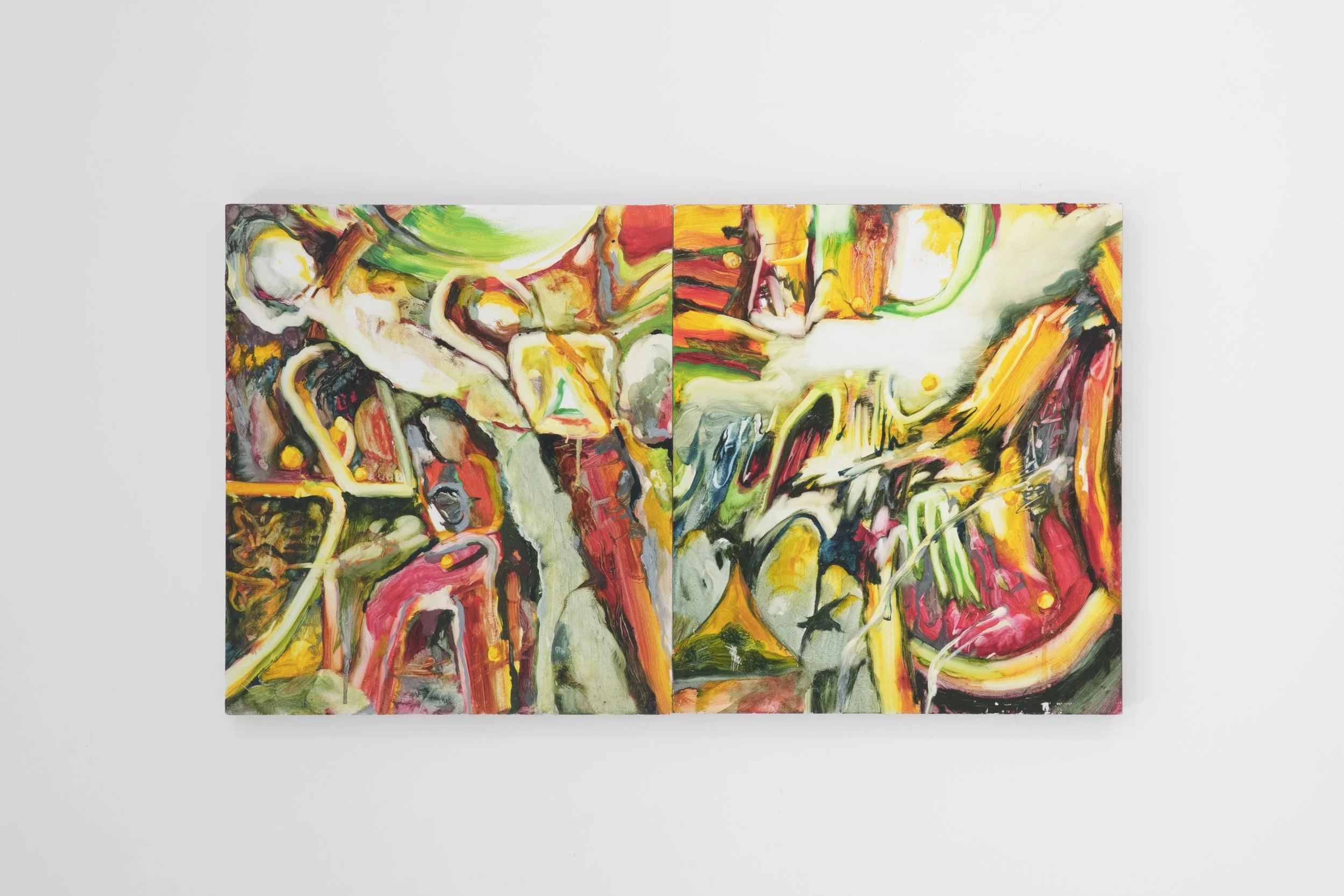
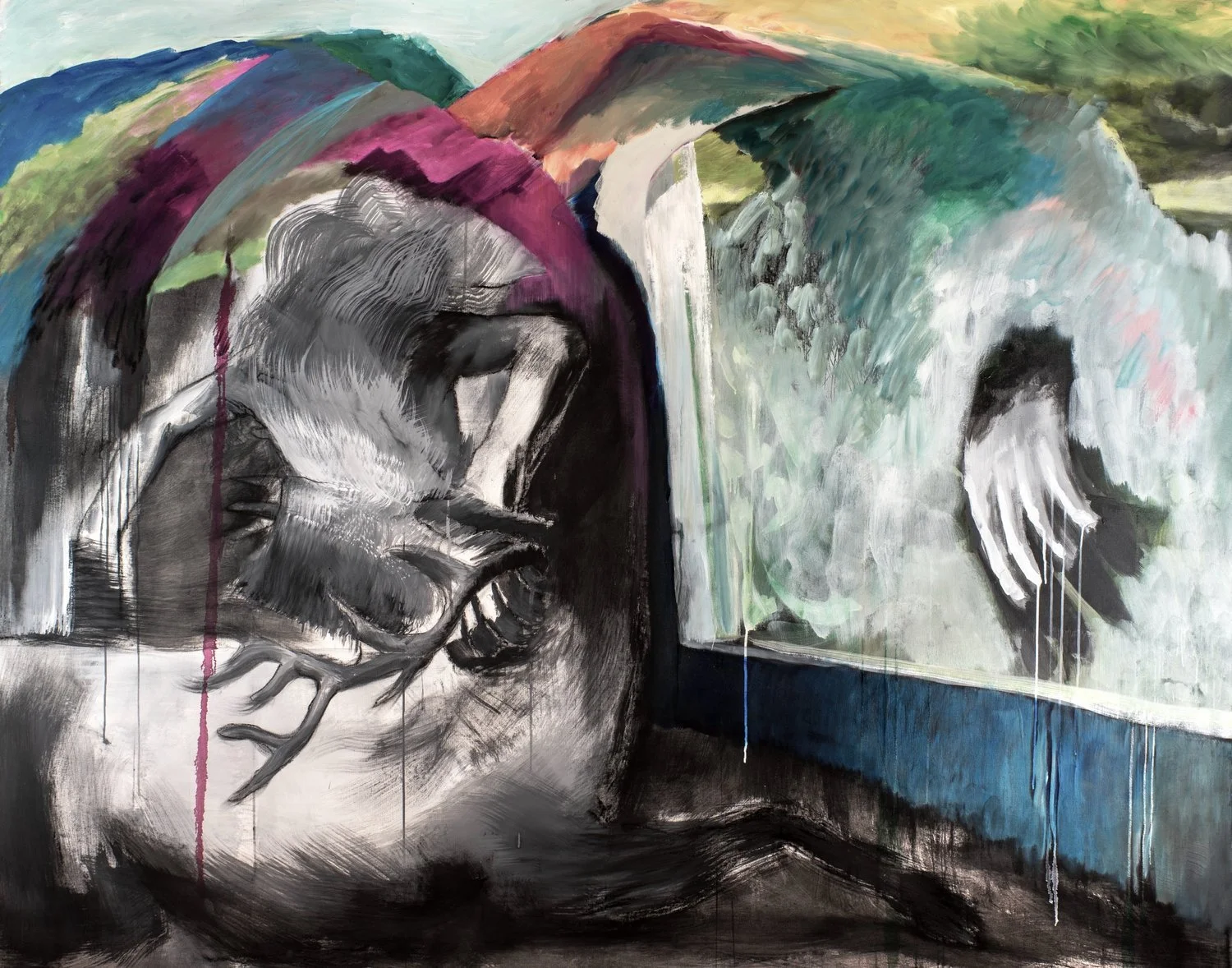
Victoria Roth is a visual artist living and working in Brooklyn, NY. Her biomorphic abstract paintings sit on the edge of recognition— a meaty shape expands like a muscle, a gnarled form morphs into a heart, that bulbous symbol. Through her imagined and high keyed compositions, she explores ideas of queer abstraction and desire as embedded in bodily forms that appear to constantly transform. While her paintings are loud and visceral, they resonate on a psychological level, revealing themselves over time. Victoria Roth (b. 1986, Paris, FR) is a visual artist living and working in Brooklyn, NY. She received her MFA from Columbia University in 2014 and a BA in History of Art & Architecture and Visual Arts from Brown University in 2008. She has held recent solo exhibitions and presentations with Broadway Gallery, NY (2023, 2022), Brennan & Griffin, NY (2019, 2017), fAN Kunstverein, Vienna, AT (2017), Lulu, Mexico City, MX (2016). Roth’s work has been included in numerous group shows at various galleries and institutions such as Galería Marta Cervera, Madrid, ES (2024); Hesse Flatow, NY, (2024); Hales Gallery, NY (2023); Kate Werble Gallery, NY (2023); Bonner Kunstverein, Bonn, DE (2022); 1969 Gallery, NY (2021); Palais de Tokyo, Paris, FR (2019); The Pit, Los Angeles (2018); Helena Anrather, NY; Lulu, Mexico City, MX and more. In addition to her studio practice, Victoria Roth is an arts educator in New York City.

Cohort Exhibition
Each Canopy Cohort presents a culminating pop-up group exhibition.

Any of the Many
Canopy Studio, 508 W. 26th St. #6E
July 17-20, 2025
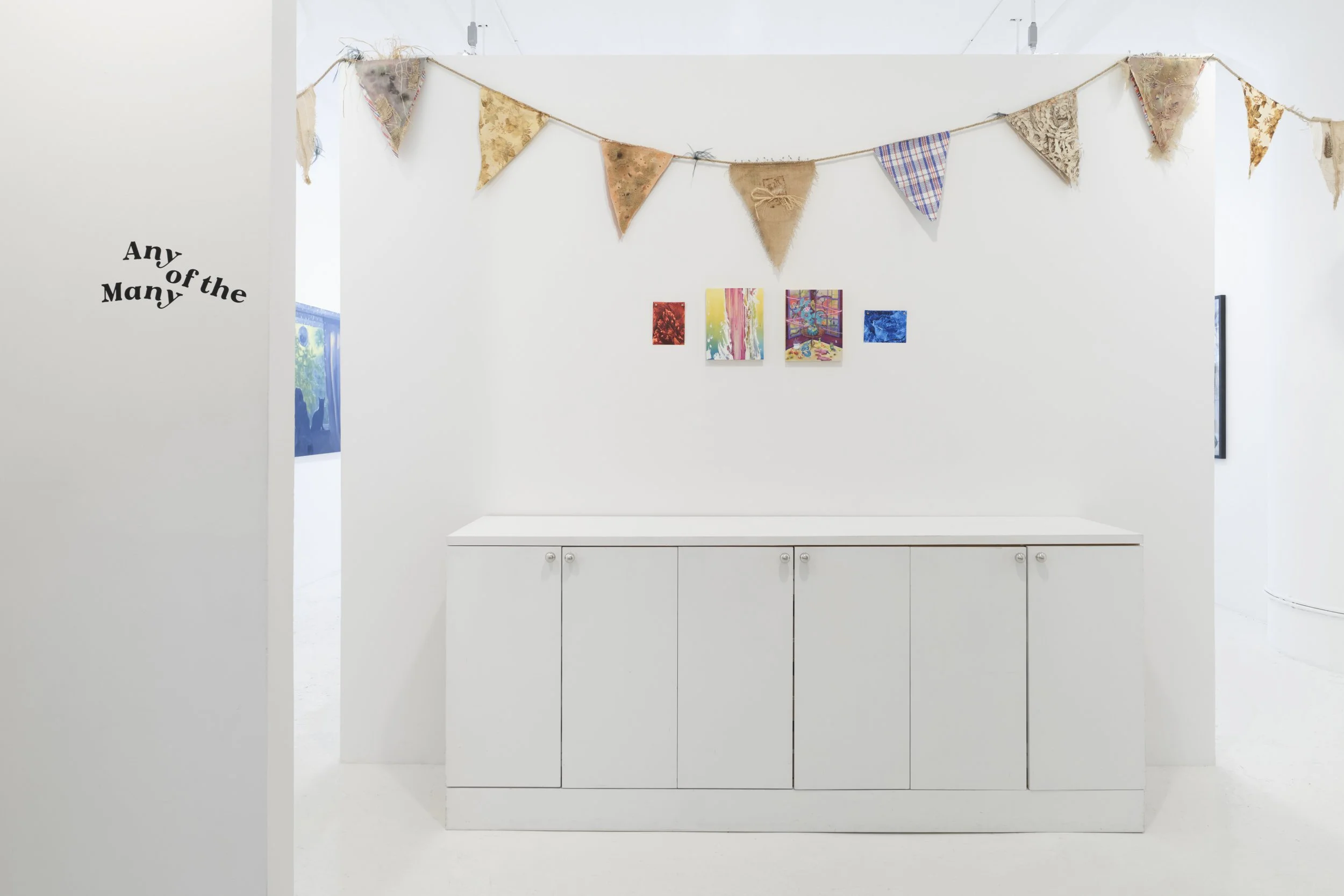
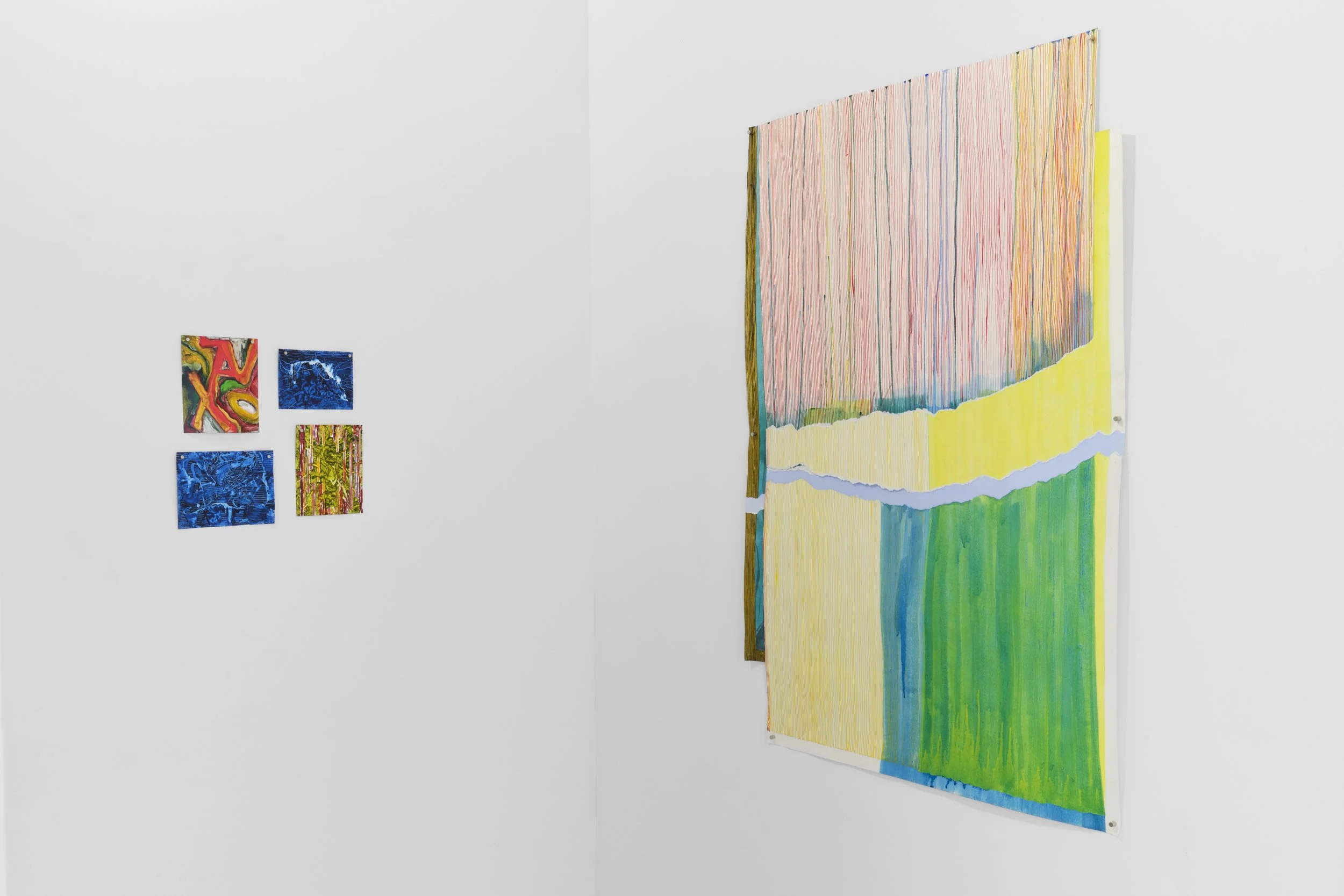
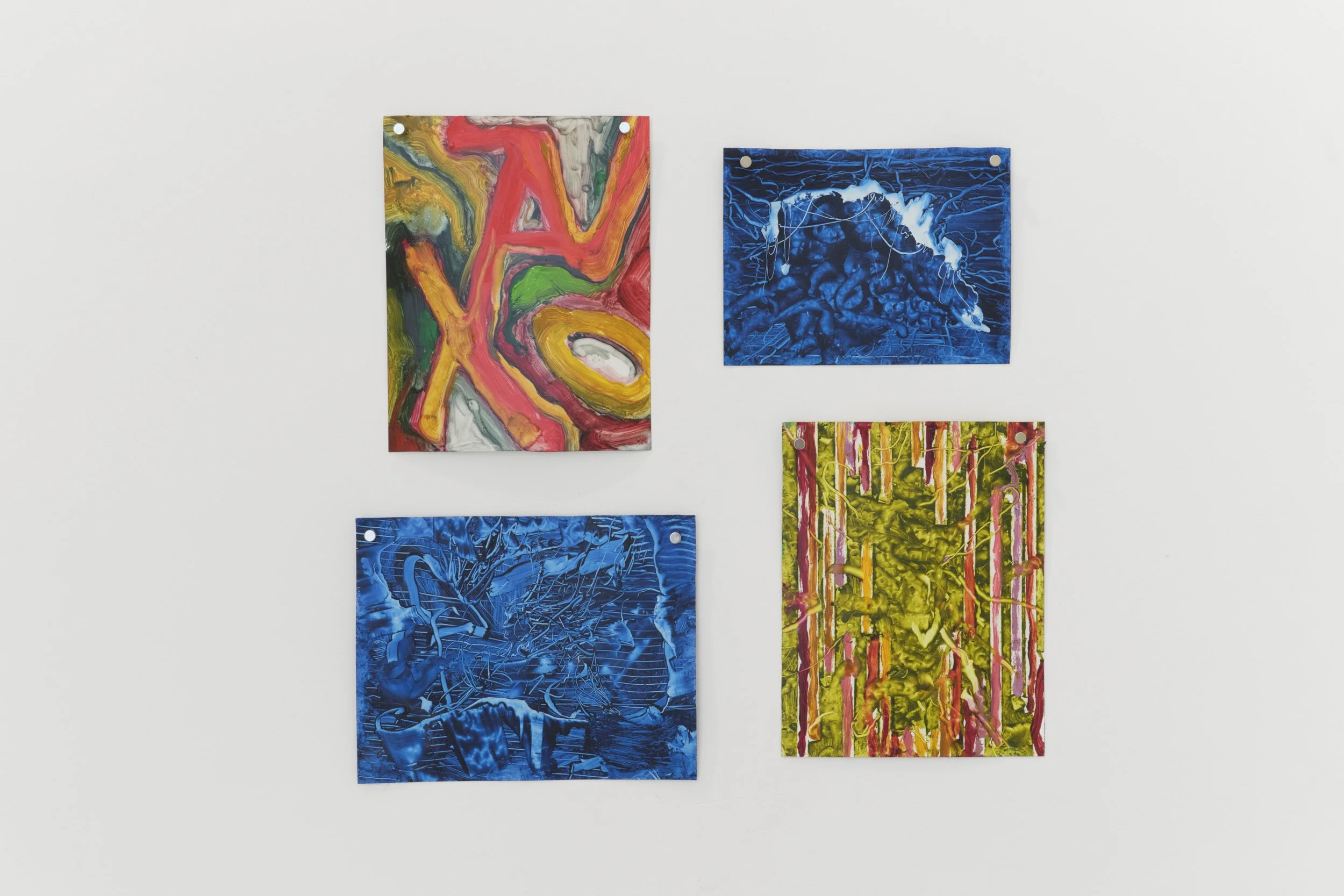
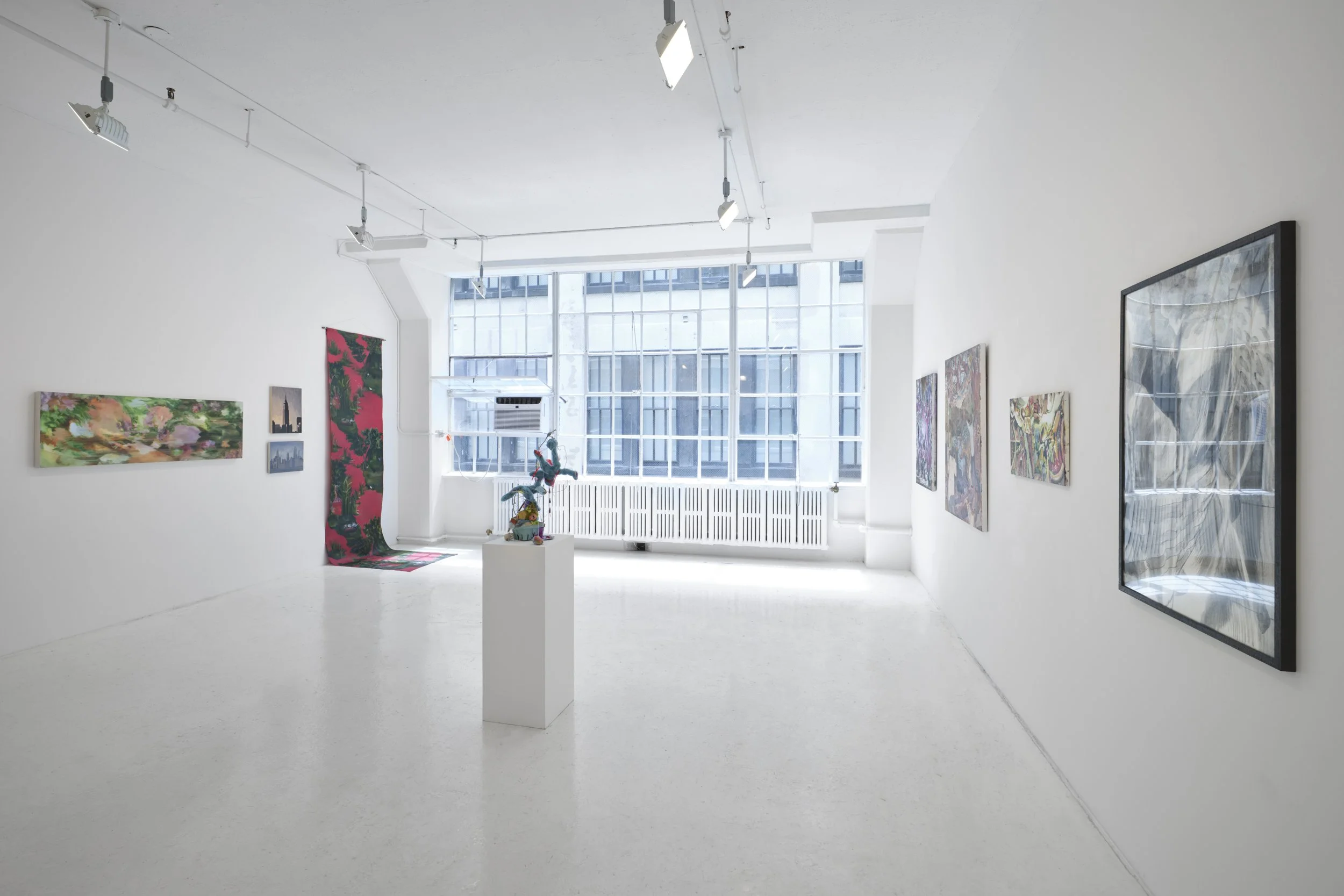
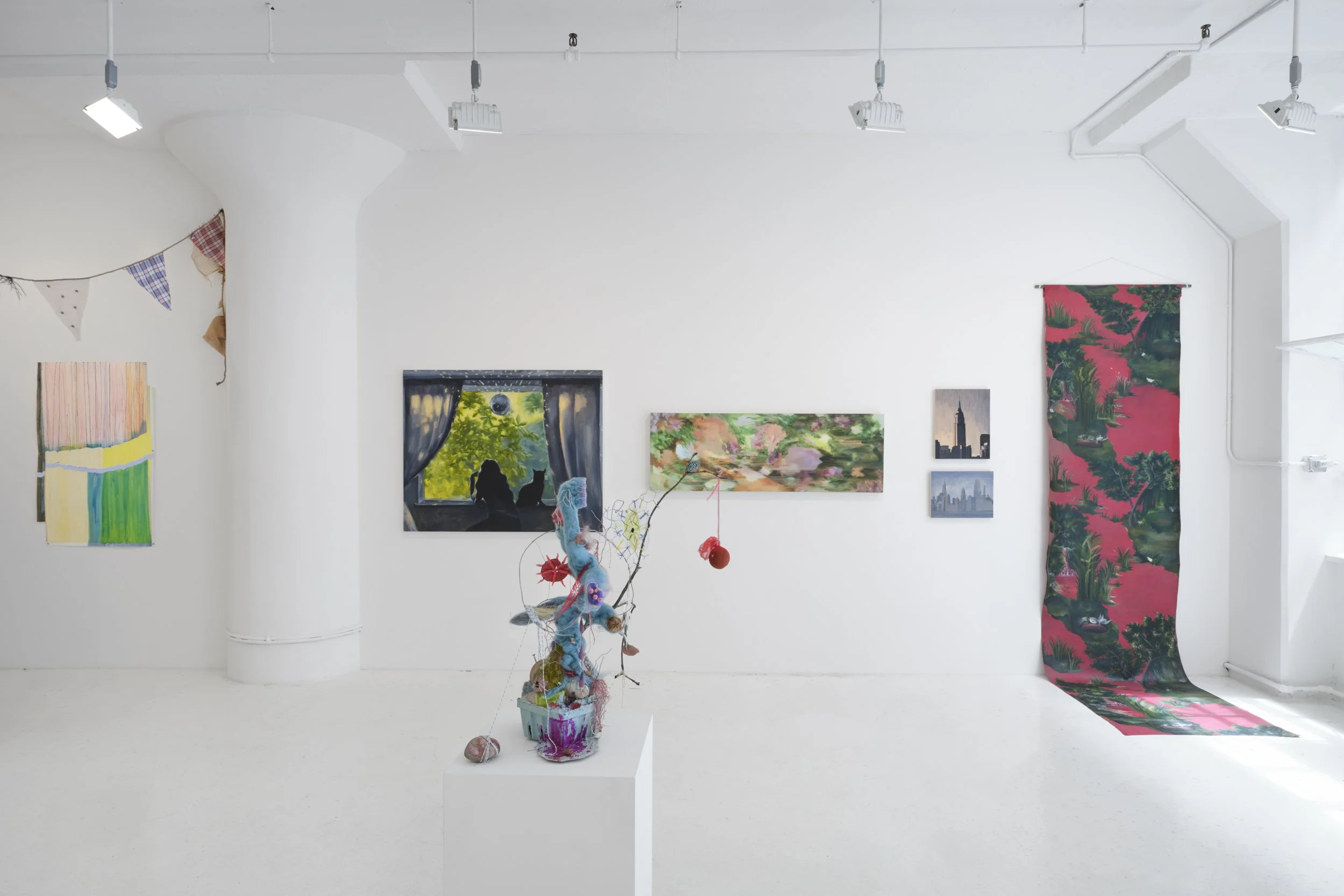
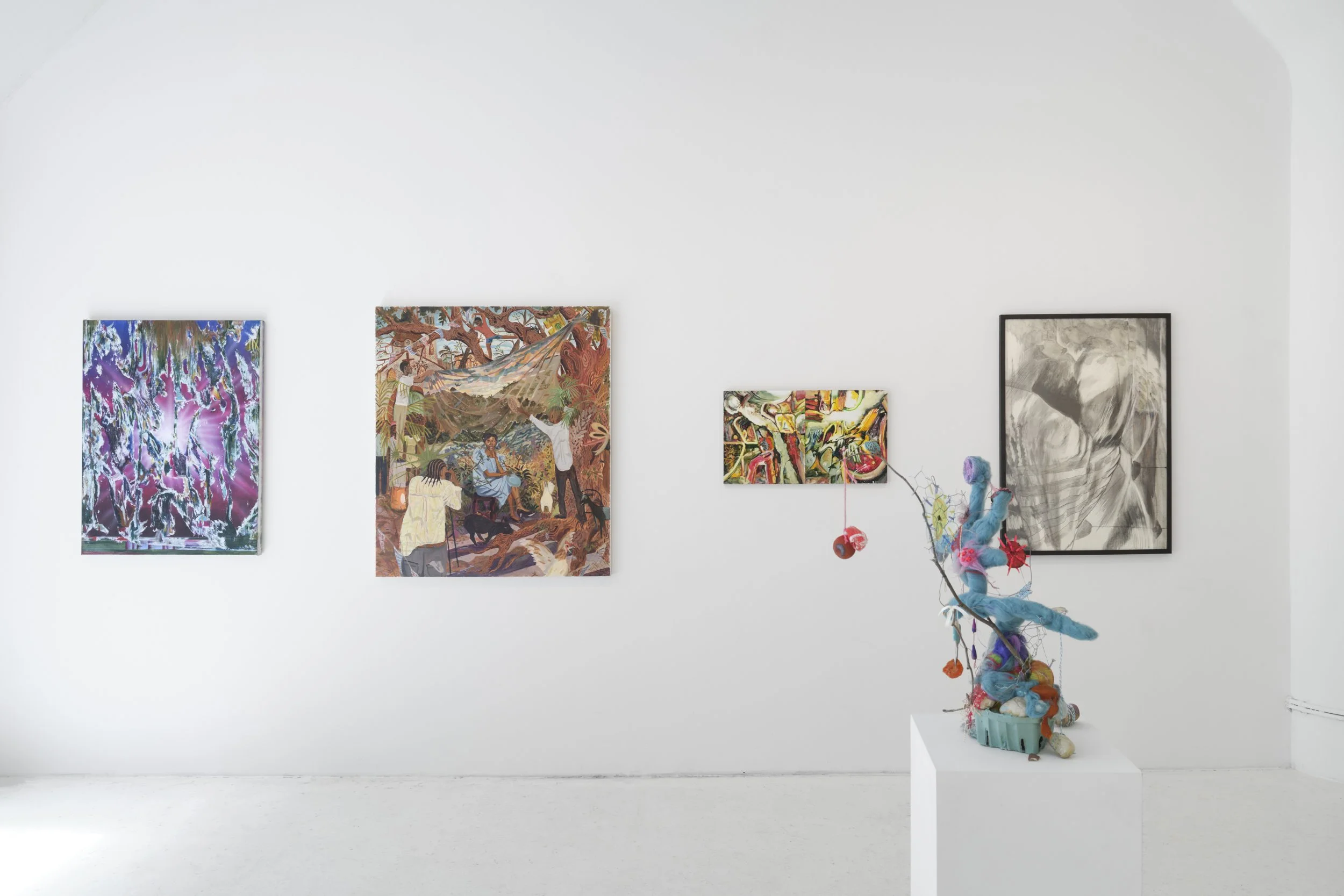
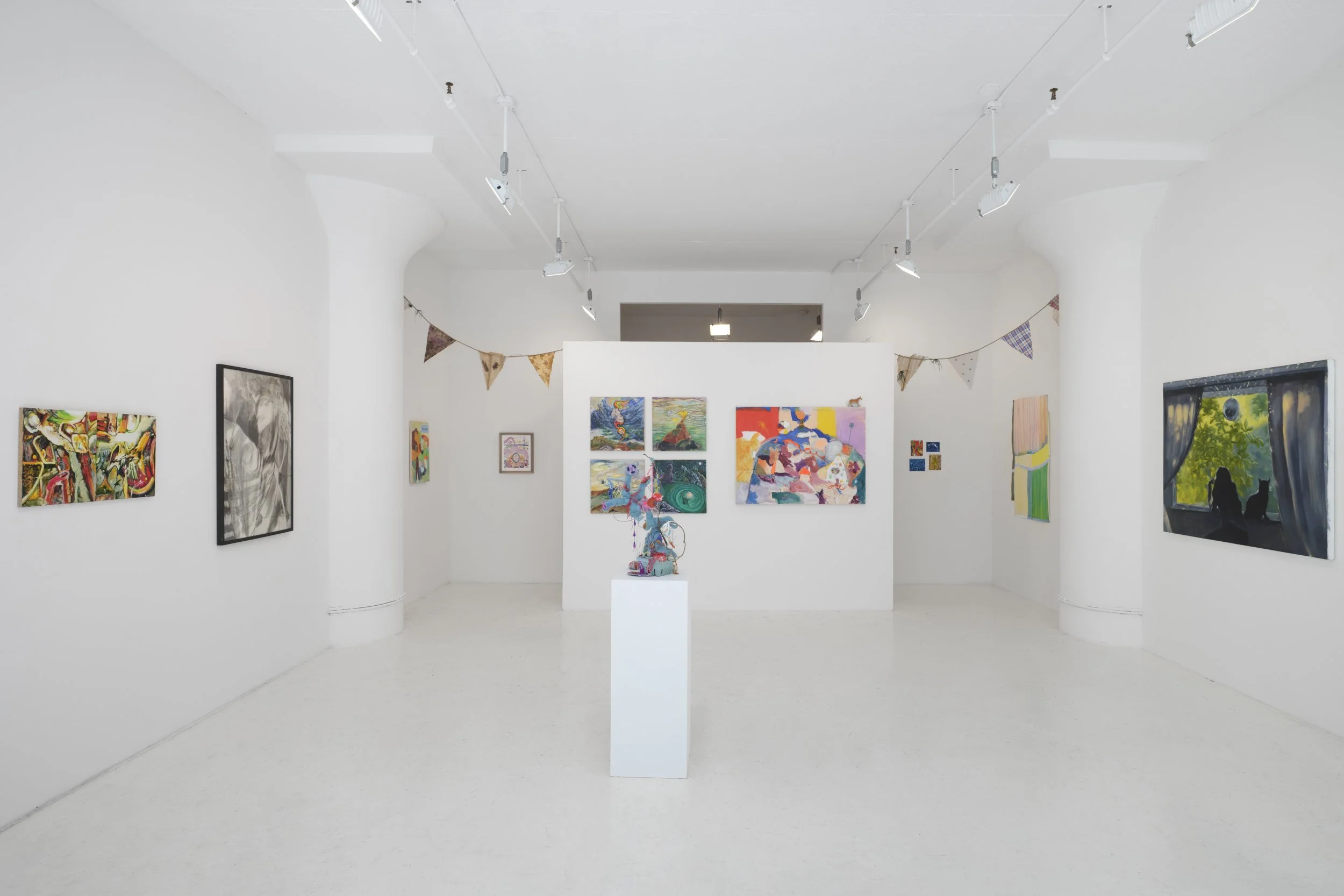
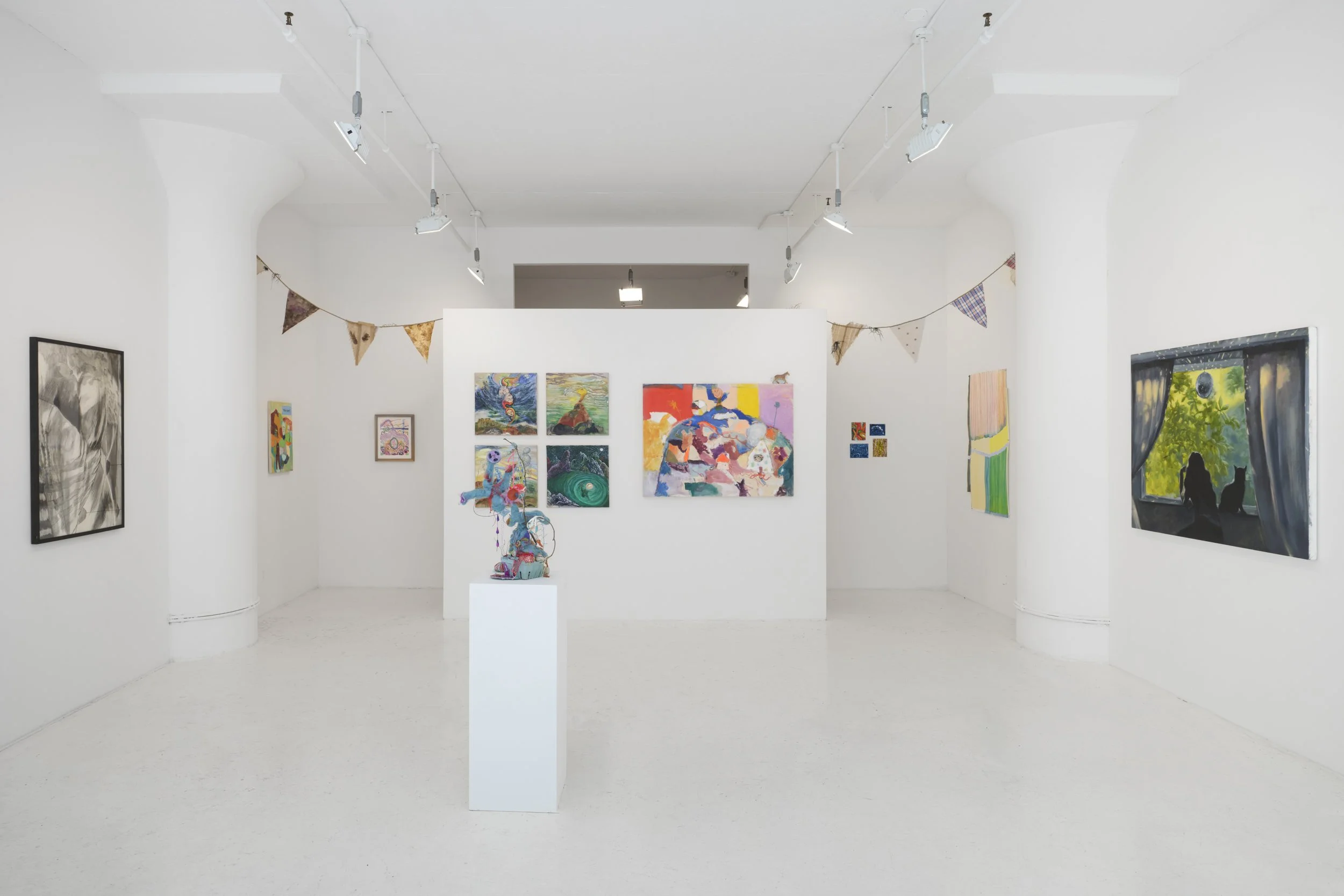
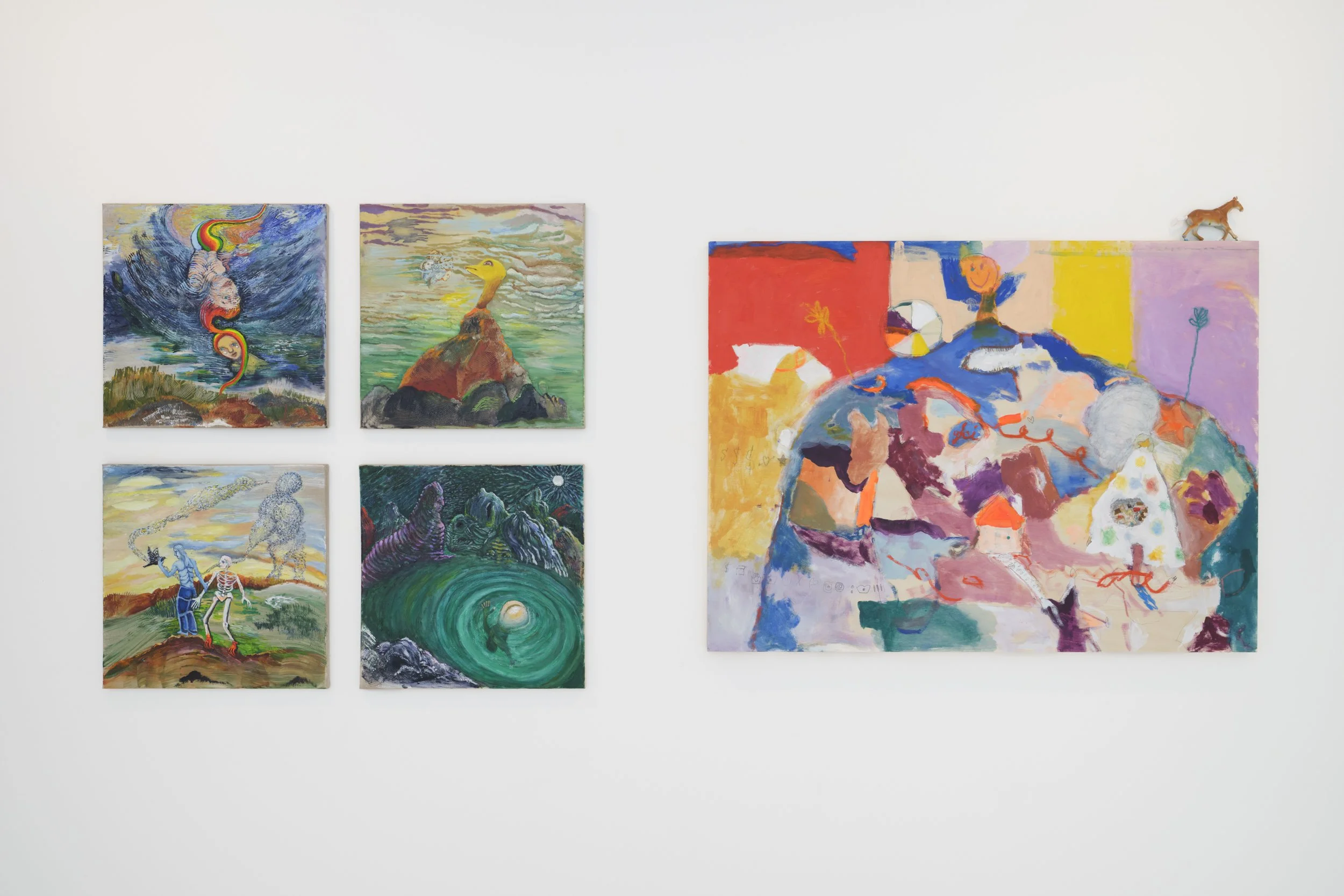
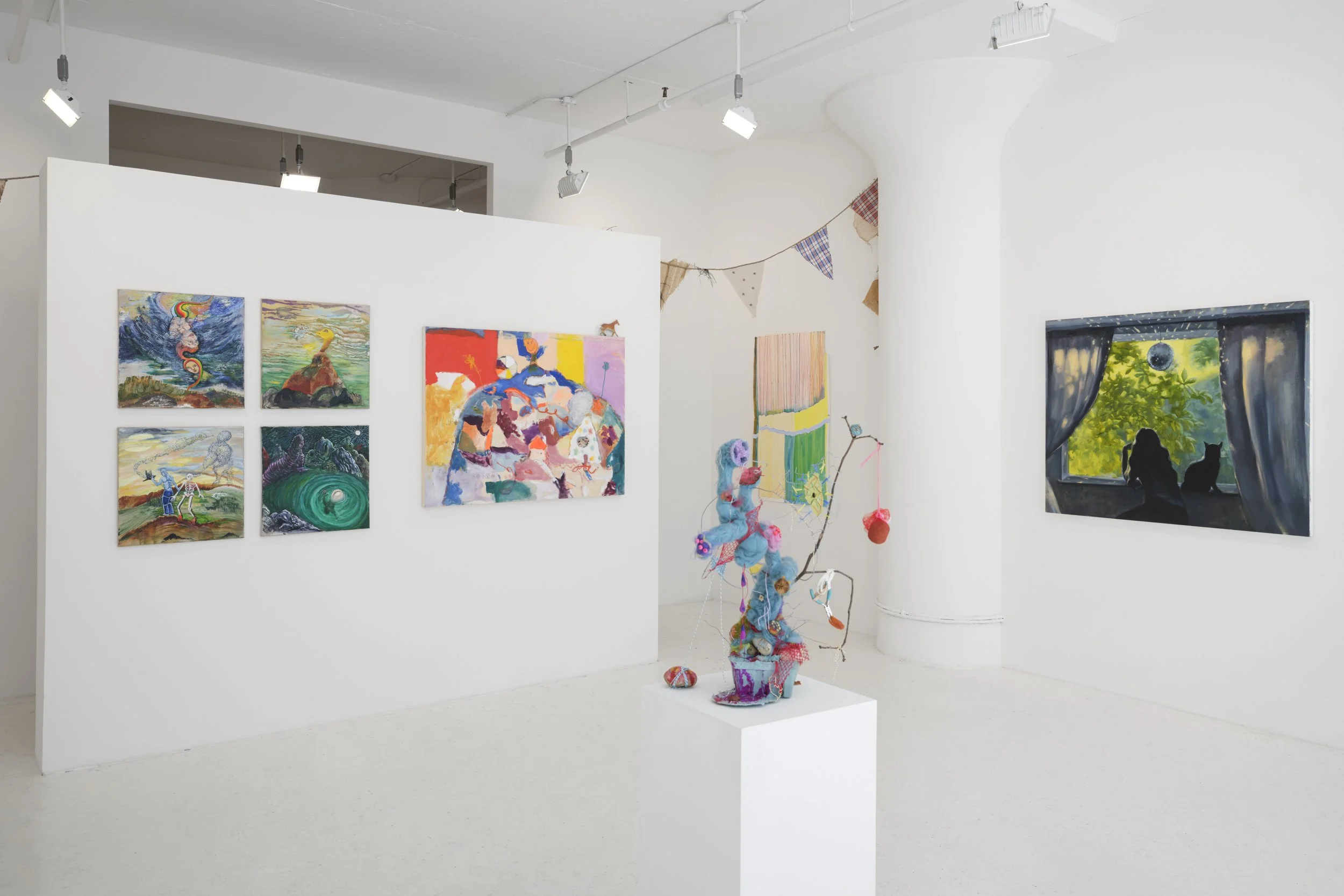
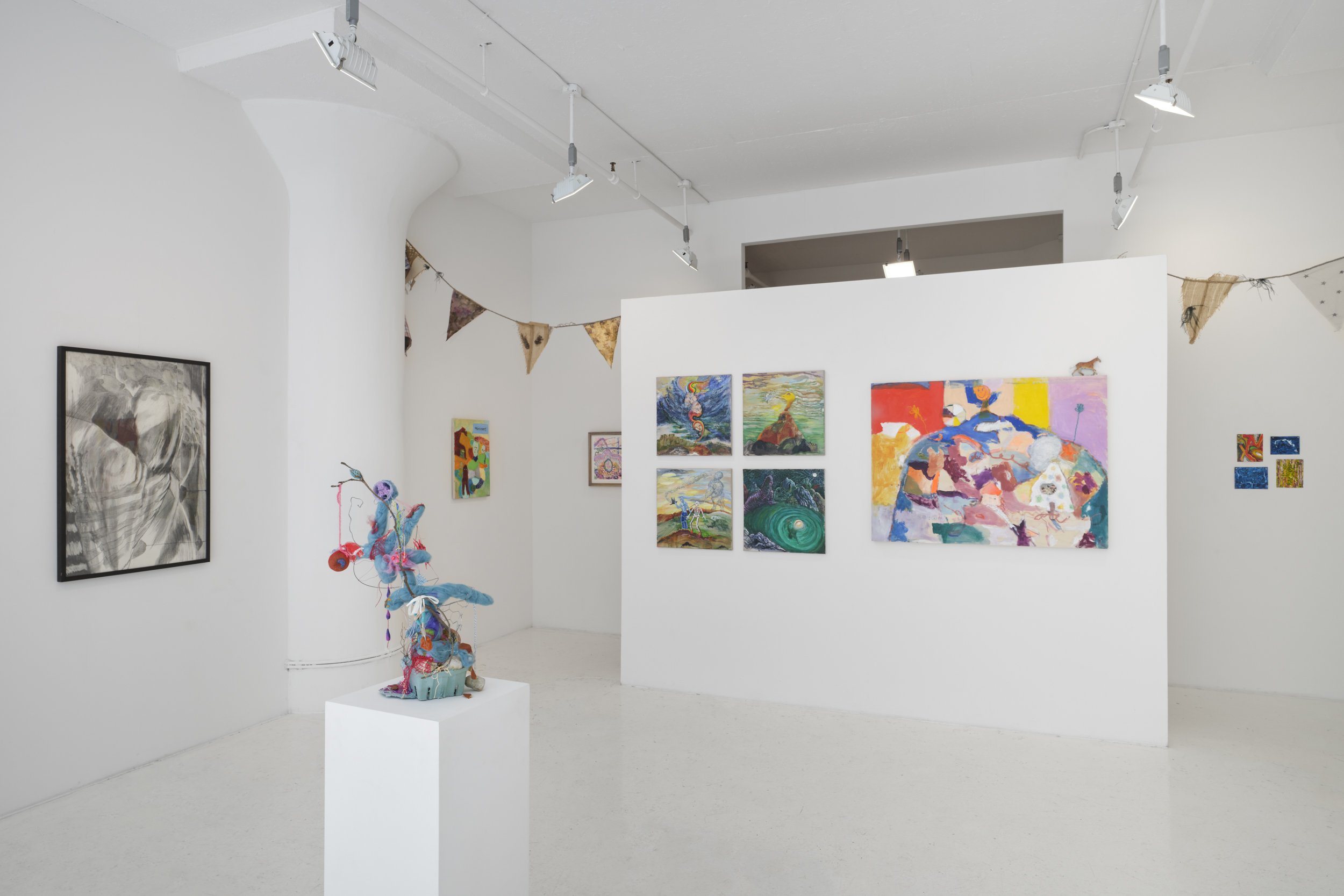
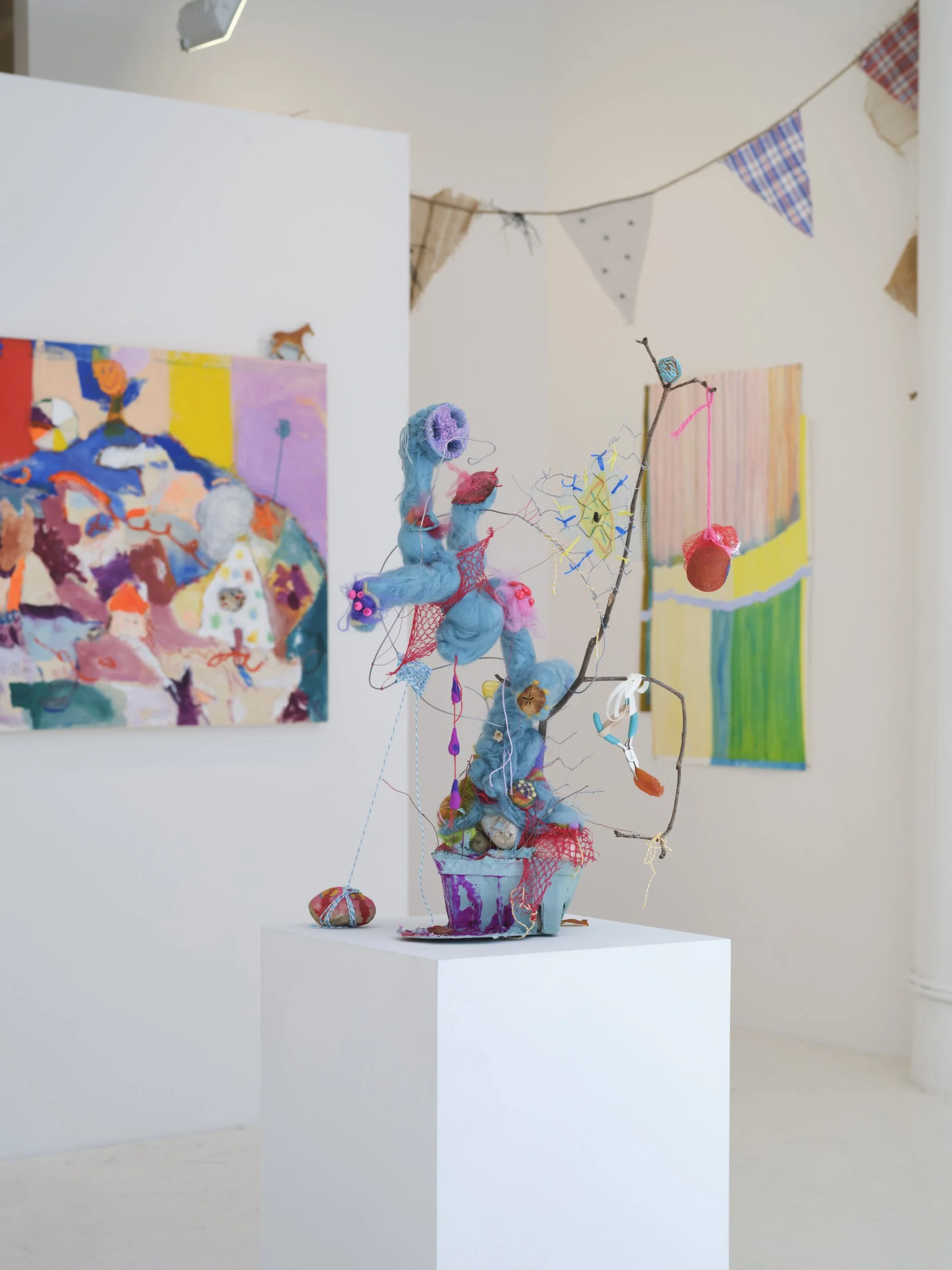
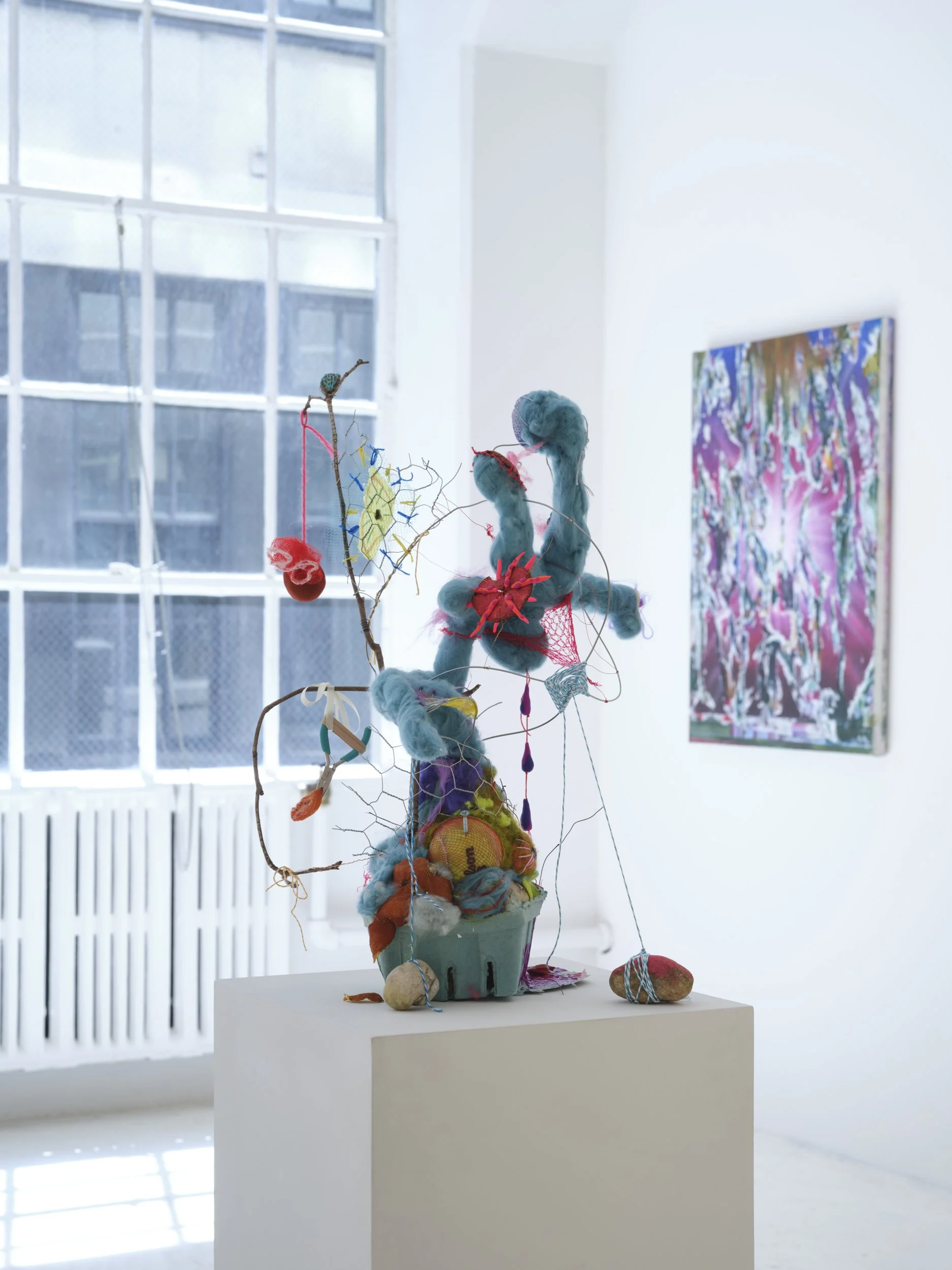
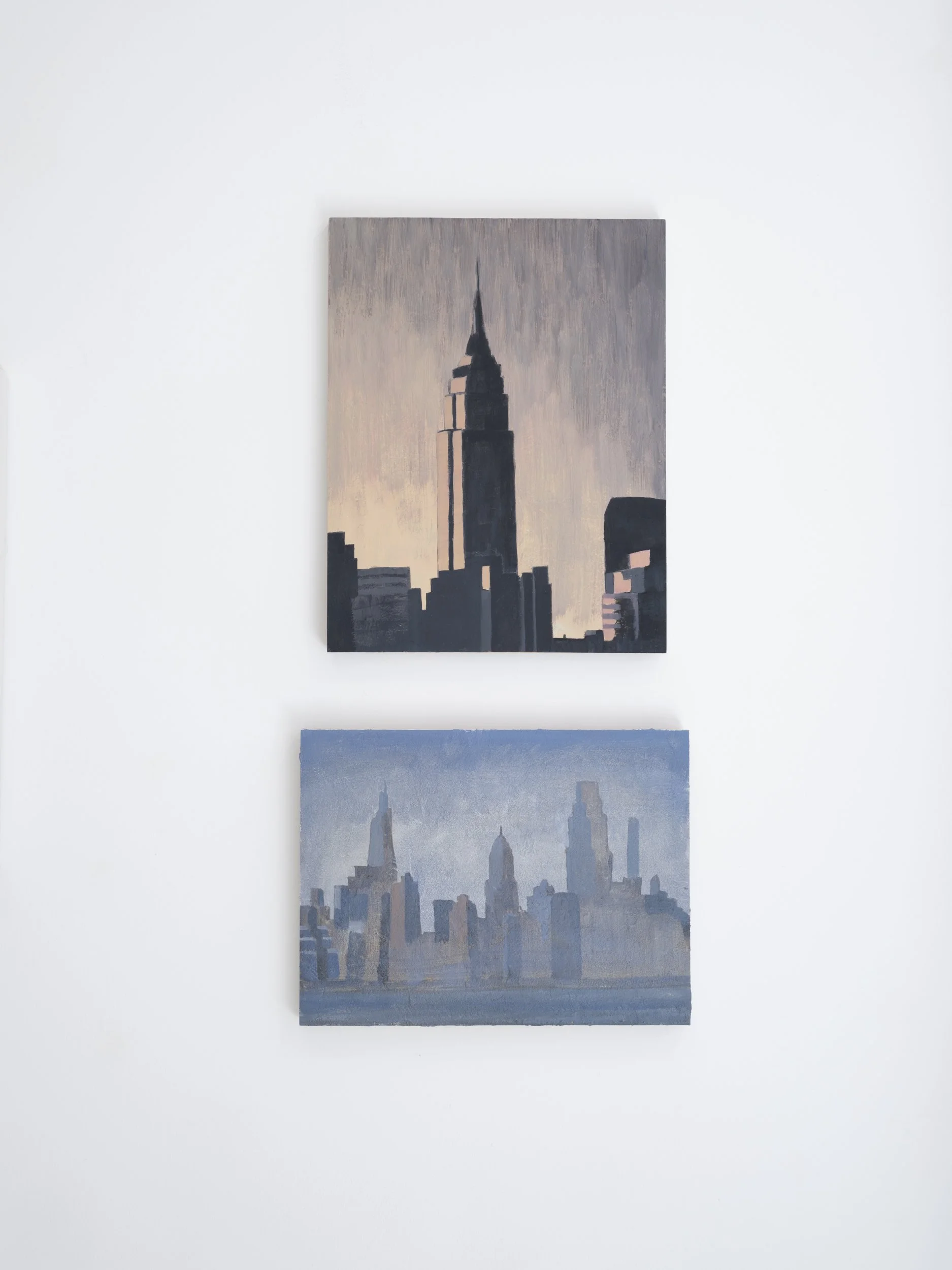
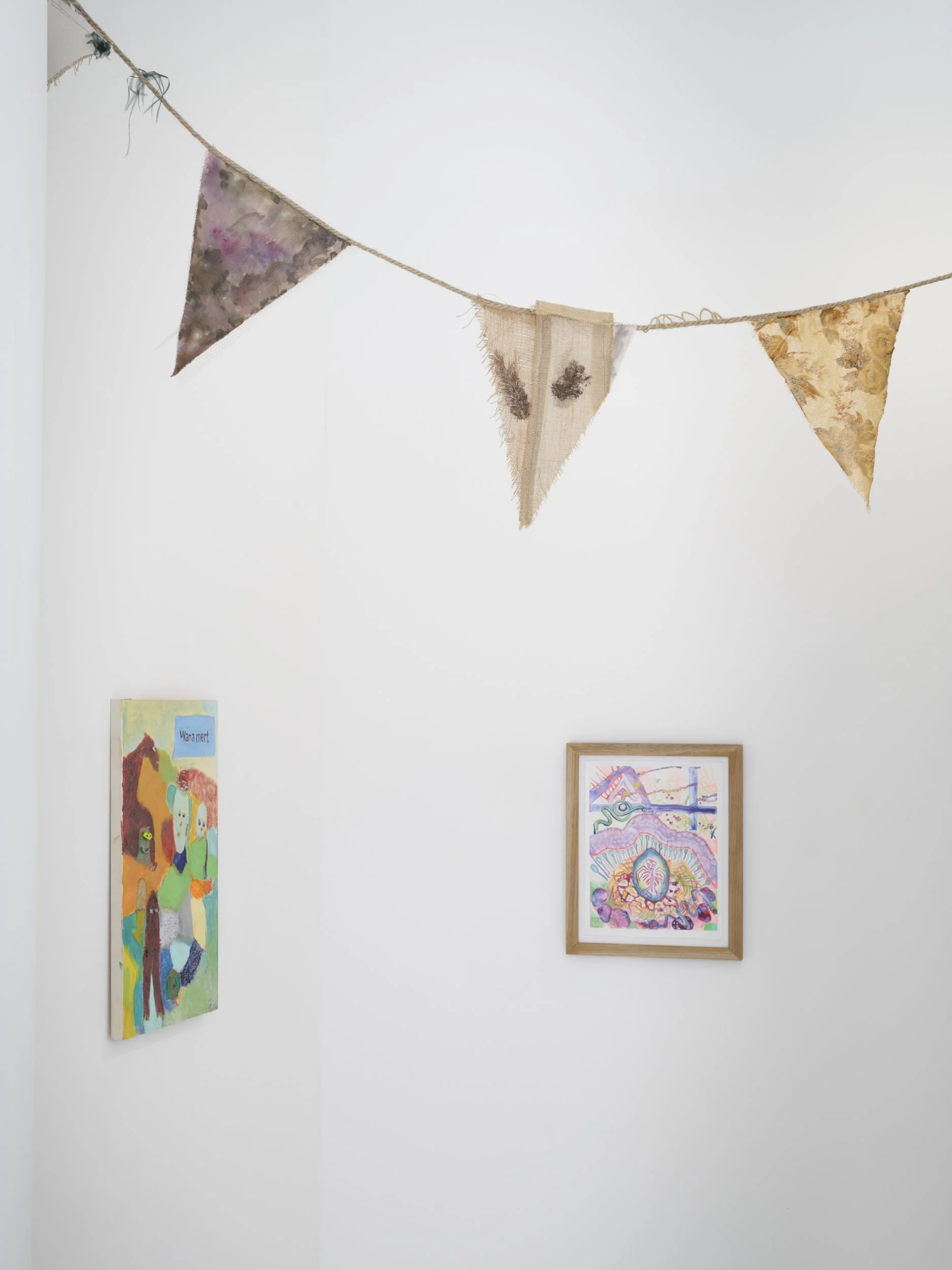
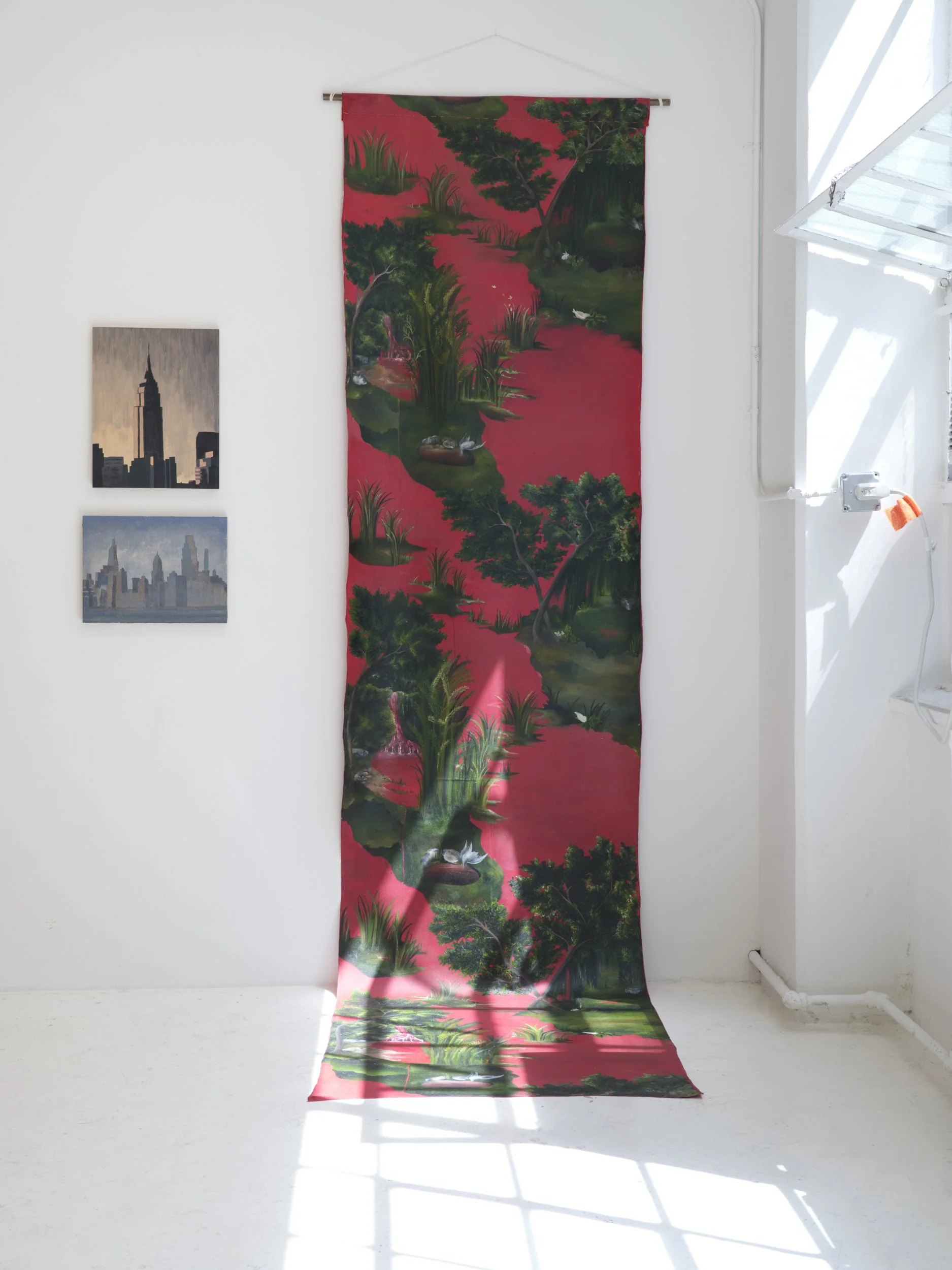
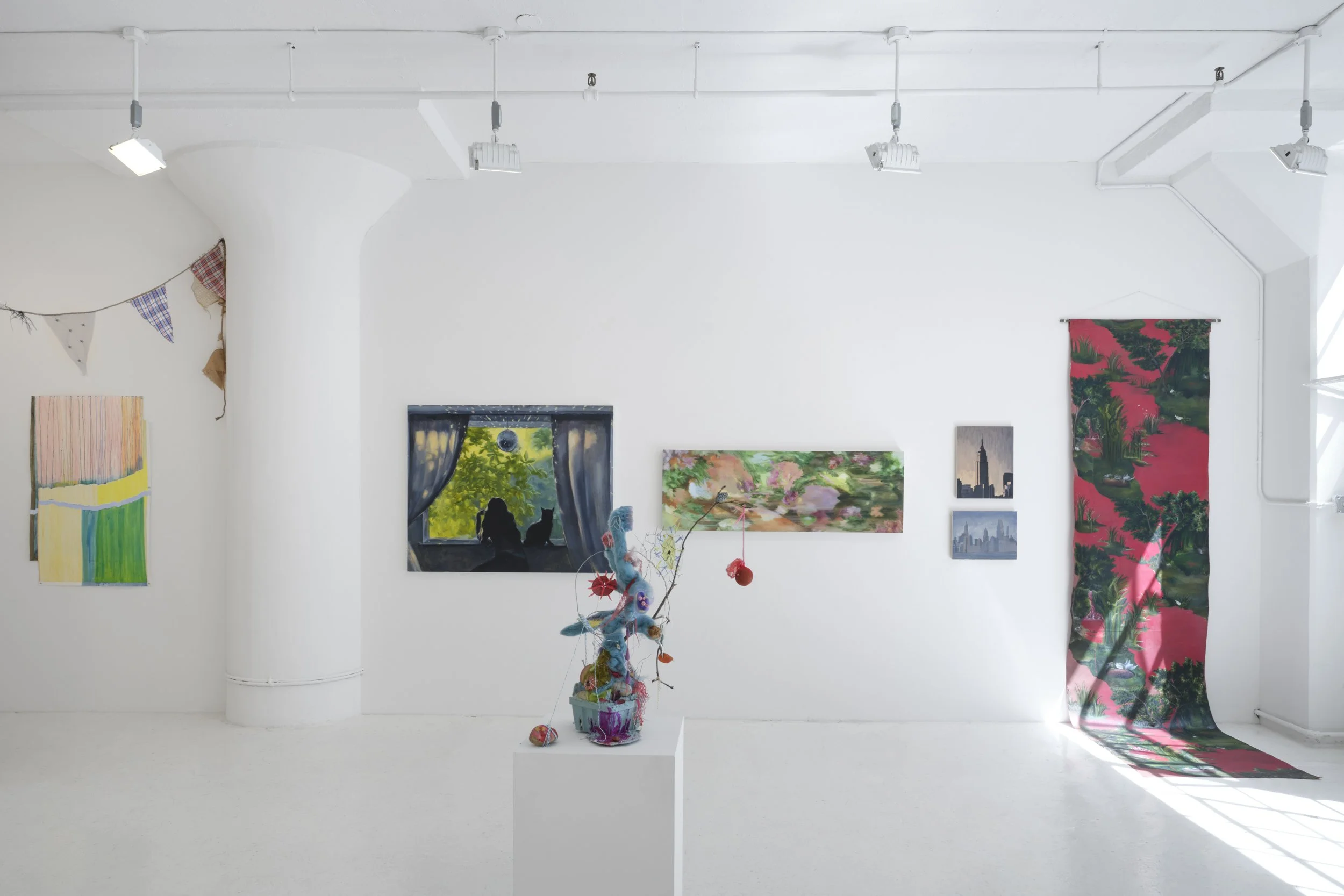
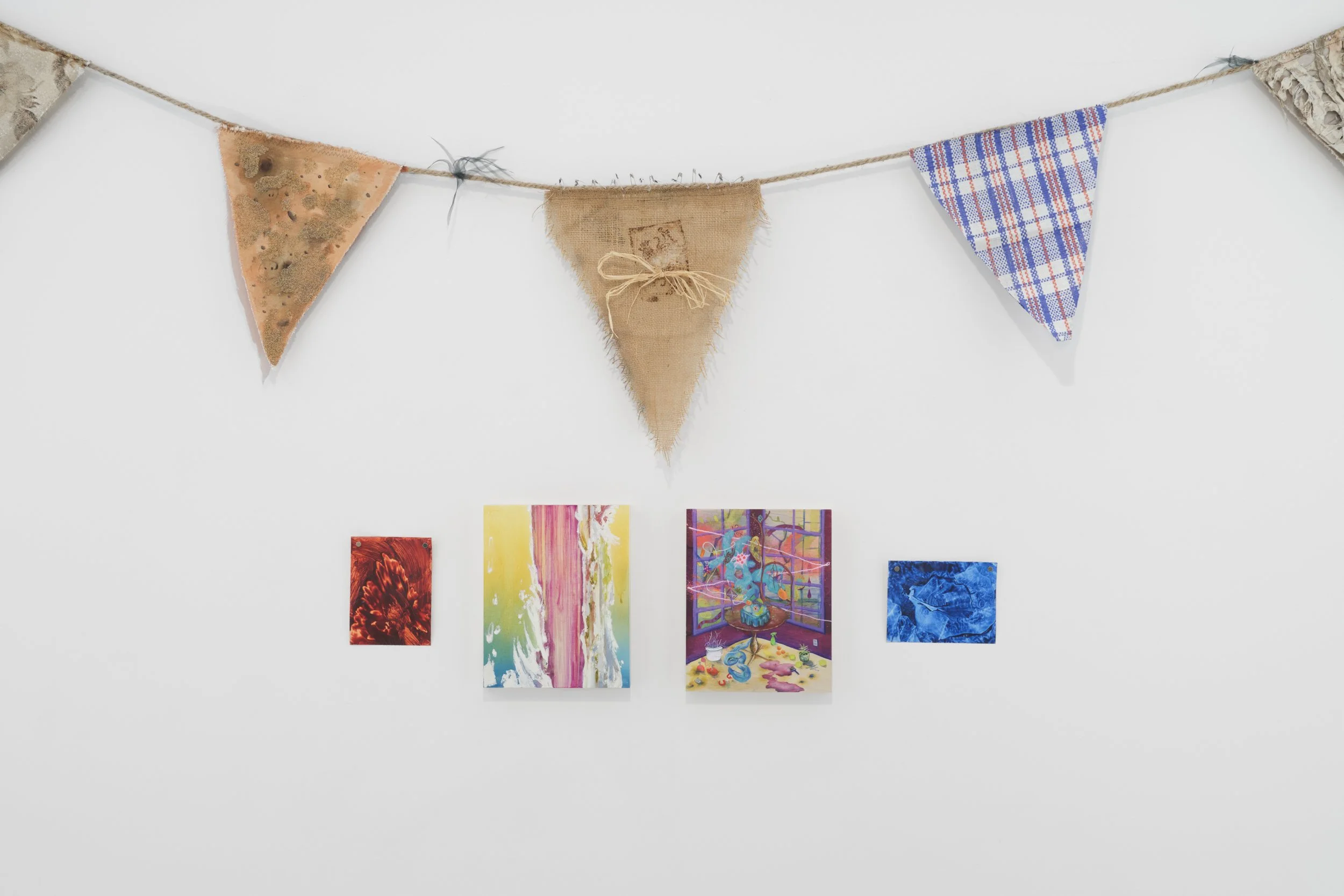
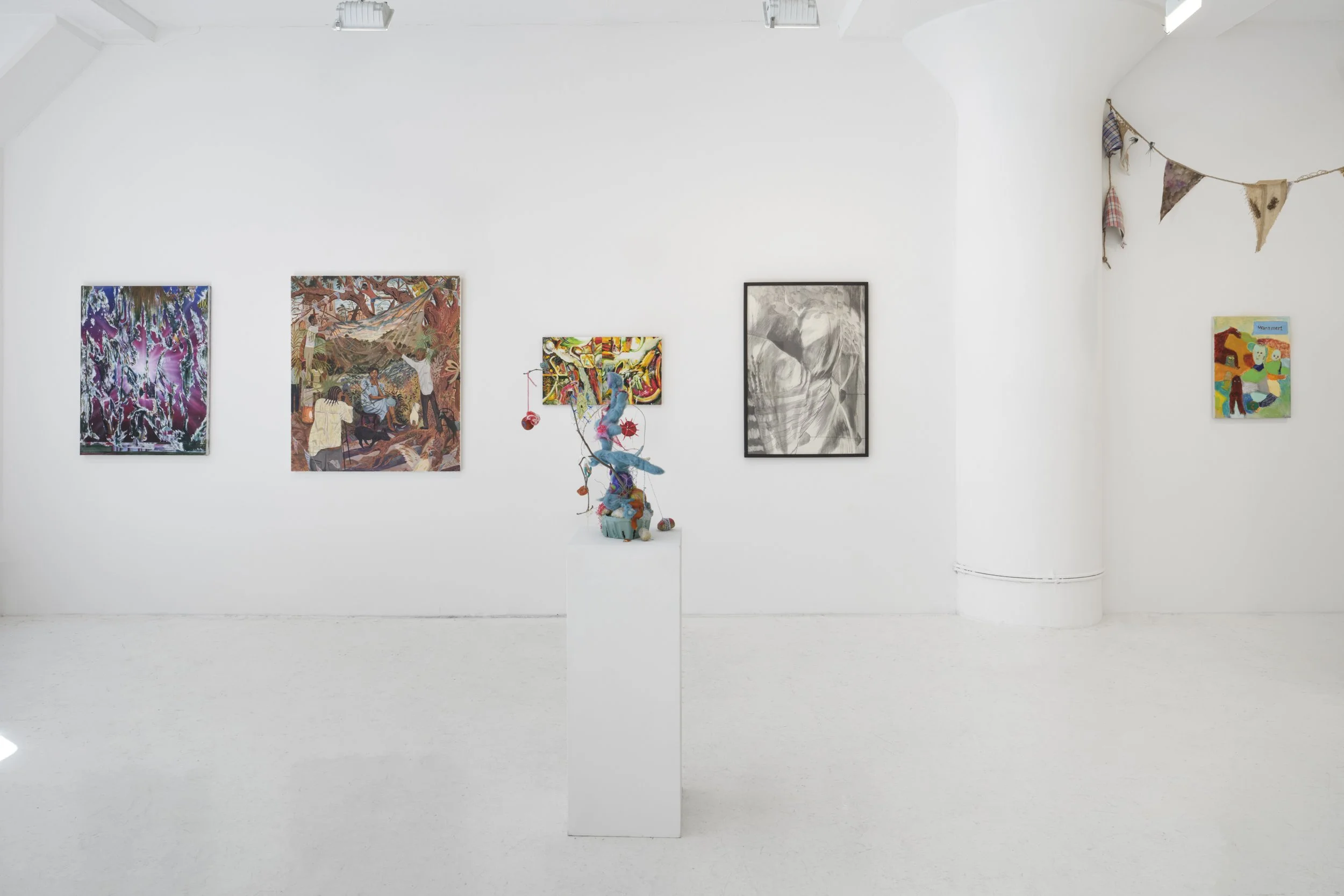
Any of the Many is a pop-up Group Exhibition celebrating the work of 11 artists who worked together for one year with their Canopy Mentor, Victoria Roth, as part of the 2024-2025 Canopy Program.
Madjeen Isaac’s hybridized landscapes center boundless Black and Caribbean existence by reimagining new realities of being. By manipulating imagery from her hometown Brooklyn and ancestral homeland Haiti, Isaac expands time as much as space: her paintings challenge the constraints of our current landscape—existing, simultaneously, as both nostalgic portals and blueprints for sovereign futures.
Andrew Hammell Race’s paintings, too, are similarly collagist in both their fundamental logic and their processes of construction. Space is built out of stitched color and constellated images, and then populated with symbols and objects both far-flung and familiar. The final images function, all at once, as landscapes, maps, and junk drawers—teeming with flowers, faces, fruit, and half-forgotten memories.
Emelia Gertner’s practice is predominantly concerned with how communication can occur on imagistic, alphabetic, preverbal, sensorial, and affective levels. Through material experimentation and open-ended, associative processes, she investigates the surface as a vehicle for knotting material, idea, and sensation together such that they can no longer be untangled.
In Laurie Heller Marcus’s work images from a non-physical place, OTHERWHERE, jostle together with memory, daily life, and dreams to form somewhat cryptic stories. Using light, color and composition she seeks to compress outsize stories onto canvas while reducing this chaotic material to its essential form.
Luke Jackson’s drawings begin with a foundatioscribble, which sparks an associative and open-ended process. Gesture, form, and wVaaamark document Jackson’s ongoing push-and-pull dialogue with the canvas—resulting in something akin to a psychological map of the internal arguments and material negotiations that unfold throughout its making.
Beatrice Cote’s paintings reflect the subtlety and slipperiness of an observed encounter between the natural environment and the urban landscape. This initial moment of incidence is extended throughout the painting process: details slip out of focus and out of grasp, layers emerge and dissolve again, and the final surface holds the accumulation of reactions (to season, to surface) over time.
Likewise emerging from a process of accumulation, Amy Moon's paintings explore the fracturing of both perception and material reality alike. Here, the urban landscape, the self, and the painted surface serve as analogous sites of fragmentation, transformation, and perpetual flux—living surfaces, in and upon which becoming and decay always unfold together and inextricably.
In Andrew Bulger's paintings, on the other hand, the forms of the cityscape and the vantage point from which we see them remain relatively stable. The shifts we observe, rather, concern temperature, atmosphere, a particular interplay of light and shadow—variation occurs on a day-to-day (or hour-to-hour) basis, resulting from Bulger’s iterative, prolonged engagement with a given subject.
Sophia Baraschi-Ehrlich's painted landscapes, meanwhile, reconcile the observed with the imagined. They present us with scenes both familiar and distant at the same time: always slightly intangible, just beyond reach, and born of a longing for nature that is never entirely accessible.
Lola Lefrançois contemplates nature specifically through the lens of implicit human presence, intervention, and destruction. Her painted landscapes blend patterns with nature and beauty with concealed violence—examining, by extension, the discrepancy between natural idyllicism and the reality of the world around us.
Lily Dineen’s assemblages celebrate the accumulation of natural and mass-produced objects alike…and the anxiety of living in the resulting mess. Preserved fruit, rotting fruit, hungry baby birds, and digestive tracts often appear, woven so tightly together (in both their image and materiality) that it is impossible to disentangle the plastic from the biological without unraveling the whole.
Madjeen Isaac’s hybridized landscapes center boundless Black and Caribbean existence by reimagining new realities of being. By manipulating imagery from her hometown Brooklyn and ancestral homeland Haiti, Isaac expands time as much as space: her paintings challenge the constraints of our current landscape—existing, simultaneously, as both nostalgic portals and blueprints for sovereign futures.
Andrew Hammell Race’s paintings, too, are similarly collagist in both their fundamental logic and their processes of construction. Space is built out of stitched color and constellated images, and then populated with symbols and objects both far-flung and familiar. The final images function, all at once, as landscapes, maps, and junk drawers—teeming with flowers, faces, fruit, and half-forgotten memories.
Emelia Gertner’s practice is predominantly concerned with how communication can occur on imagistic, alphabetic, preverbal, sensorial, and affective levels. Through material experimentation and open-ended, associative processes, she investigates the surface as a vehicle for knotting material, idea, and sensation together such that they can no longer be untangled.
In Laurie Heller Marcus’s work images from a non-physical place, OTHERWHERE, jostle together with memory, daily life, and dreams to form somewhat cryptic stories. Using light, color and composition she seeks to compress outsize stories onto canvas while reducing this chaotic material to its essential form.
Luke Jackson’s drawings begin with a foundatioscribble, which sparks an associative and open-ended process. Gesture, form, and wVaaamark document Jackson’s ongoing push-and-pull dialogue with the canvas—resulting in something akin to a psychological map of the internal arguments and material negotiations that unfold throughout its making.
Beatrice Cote’s paintings reflect the subtlety and slipperiness of an observed encounter between the natural environment and the urban landscape. This initial moment of incidence is extended throughout the painting process: details slip out of focus and out of grasp, layers emerge and dissolve again, and the final surface holds the accumulation of reactions (to season, to surface) over time.
Likewise emerging from a process of accumulation, Amy Moon's paintings explore the fracturing of both perception and material reality alike. Here, the urban landscape, the self, and the painted surface serve as analogous sites of fragmentation, transformation, and perpetual flux—living surfaces, in and upon which becoming and decay always unfold together and inextricably.
In Andrew Bulger's paintings, on the other hand, the forms of the cityscape and the vantage point from which we see them remain relatively stable. The shifts we observe, rather, concern temperature, atmosphere, a particular interplay of light and shadow—variation occurs on a day-to-day (or hour-to-hour) basis, resulting from Bulger’s iterative, prolonged engagement with a given subject.
Sophia Baraschi-Ehrlich's painted landscapes, meanwhile, reconcile the observed with the imagined. They present us with scenes both familiar and distant at the same time: always slightly intangible, just beyond reach, and born of a longing for nature that is never entirely accessible.
Lola Lefrançois contemplates nature specifically through the lens of implicit human presence, intervention, and destruction. Her painted landscapes blend patterns with nature and beauty with concealed violence—examining, by extension, the discrepancy between natural idyllicism and the reality of the world around us.
Lily Dineen’s assemblages celebrate the accumulation of natural and mass-produced objects alike…and the anxiety of living in the resulting mess. Preserved fruit, rotting fruit, hungry baby birds, and digestive tracts often appear, woven so tightly together (in both their image and materiality) that it is impossible to disentangle the plastic from the biological without unraveling the whole.